
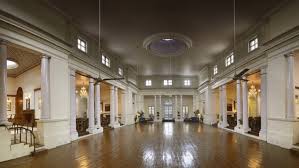
After years of legal battles, bureaucratic control and stalled reforms, one of India’s most exclusive clubs faces an uncertain future
The power struggle over Delhi Gymkhana Club may finally be over — but so too could be the club itself.
In a dramatic move, the Central government has ordered the 113-year-old institution to vacate its iconic Lutyens’ Delhi premises by June 5, citing the need for defence-related infrastructure and other public projects. The land, located next to the Prime Minister’s residence at 7 Lok Kalyan Marg, will be taken over by the government.
The decision marks the culmination of a years-long battle involving allegations of mismanagement, court interventions, bureaucratic takeover and failed reform efforts.
From Elite Club To Legal Battlefield
Once regarded as one of India’s most powerful social institutions, Delhi Gymkhana has long been a meeting ground for politicians, bureaucrats, military officers, judges and business leaders.
But behind its manicured lawns and exclusive membership lay a bitter governance dispute.
The controversy began after complaints of financial irregularities, nepotism in membership admissions and deviation from the club’s original objective of promoting sports and recreation. Investigations by government agencies led to intervention by the National Company Law Tribunal (NCLT), followed by a takeover by a government-appointed administration in 2021.
Government Said Club Drifted From Original Purpose
The Centre argued that despite occupying 27 acres of prime public land at a nominal annual lease rent, the club had largely abandoned its sporting mandate.
Official inspections reportedly found that only a small portion of its expenditure was directed towards sports, while significant funds were spent on hospitality-related expenses.
Questions were also raised over decades-long membership waiting lists, rising fees and allegations that access to the club remained concentrated among a small circle of influential families.
Reforms Ordered, Elections Never Happened
In 2024, the National Company Law Appellate Tribunal (NCLAT) upheld the government’s intervention but directed the appointed committee to complete reforms and hold fresh elections by March 2025.
That deadline came and went without elections being conducted.
Instead, the matter became entangled in further litigation, extension requests, contempt proceedings and appeals before higher courts.
Several club members accused the government-appointed committee of failing to implement meaningful reforms while continuing to run the institution without accountability.
‘Nothing Changed Despite Takeover’
Critics of the takeover argue that years of bureaucratic control produced little real change.
Former members have claimed that the club continued to function largely as before, with routine operations managed by staff while governance issues remained unresolved.
Some members also alleged that the appointed committee made little effort to engage with the wider membership despite court directions for restructuring.
A Symbol Of Power Now Faces Uncertain Future
Founded in 1913 as the Imperial Delhi Gymkhana Club, the institution became one of the most sought-after memberships in India.
Waiting periods often stretched for decades, with many applicants registering while in their twenties and receiving membership only much later in life.
Its membership rolls have included senior politicians, intelligence officials, military officers, diplomats and corporate leaders, making it one of the country’s most influential private clubs.
Curtain Falls On A Delhi Institution?
With the government now reclaiming the land for public use, the future of Delhi Gymkhana remains unclear.
What is certain is that an institution that once symbolised exclusivity, influence and old Delhi power networks has reached its most critical moment.
After years of courtroom battles, administrative interventions and political intrigue, the question is no longer who controls Delhi Gymkhana — but whether Delhi Gymkhana, as India has known it for over a century, will survive at all.