MEA calls Pakistan-backed court ‘illegally constituted’, declares latest award null and void
The Indian government on Saturday firmly rejected a ruling issued by a Hague-based Court of Arbitration over the Indus Waters Treaty, calling the decision “illegal”, “invalid” and without any binding authority.
In a statement, Ministry of External Affairs spokesperson Randhir Jaiswal said India does not recognise the so-called Court of Arbitration and will not accept any verdict, proceeding or interpretation issued by it.
‘India Never Recognised This Court’
The MEA said the arbitration body had issued a fresh ruling on May 15 regarding issues linked to water storage under the treaty, but New Delhi dismissed the development outright.
According to India, the court was constituted without legal basis and therefore its decisions carry no legitimacy.
The government also reiterated that the Indus Waters Treaty remains “in abeyance”.
Treaty Was Suspended After Pahalgam Terror Attack
The water-sharing agreement between India and Pakistan was originally signed in 1960 after mediation by the World Bank.
Under the treaty, India received rights over the eastern rivers — Ravi, Beas and Sutlej — while Pakistan was granted access to the western rivers — Indus, Jhelum and Chenab.
India suspended the treaty after the terror attack in Pahalgam, describing the move as part of a broader response against cross-border terrorism.
Centre Says Treaty Was ‘One-Sided’
The Narendra Modi government has defended the decision, arguing that the treaty unfairly restricted India’s rights over its own water resources.
Prime Minister Narendra Modi has previously stated that India and its farmers have the primary right over Indus waters and called the decades-old agreement “unjust and one-sided”.
Pakistan, meanwhile, has accused India of “weaponising water”, a charge New Delhi has repeatedly denied.
J&K Govt Welcomes Move
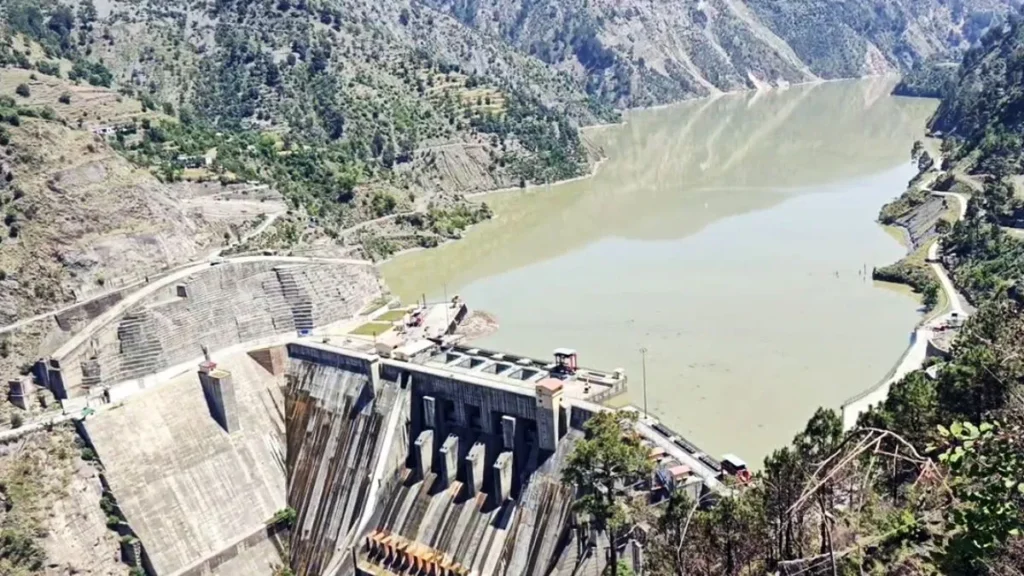
The Jammu and Kashmir Government has also backed the Centre’s stand, saying the suspension of the treaty could help restart several stalled hydroelectric and development projects in the region.
Chief Minister Omar Abdullah has welcomed the move and said the Union Territory could benefit from greater infrastructure and water resource development with central support.