US Delegation Threw Away Badges, Phones And Souvenirs Over Espionage Fears
US President Donald Trump may have wrapped up his Beijing visit with high-level meetings and diplomatic optics, but his delegation left China carrying almost nothing from the trip — by design.
Before boarding Air Force One in Beijing, members of the American delegation reportedly discarded every item handed out by Chinese officials, including event badges, souvenir pins, burner phones, press kits and invitation cards.
The move was part of strict US security protocol aimed at preventing any potential surveillance or electronic tracking linked to Chinese-origin items.
‘Nothing From China Allowed On The Plane’
According to reports from members of the travelling press pool, White House security officials and the US Secret Service enforced a zero-tolerance rule before departure.
American staffers were reportedly instructed to surrender all Chinese-issued materials before entering Air Force One.
The discarded items were collected in bins placed near the aircraft staircase at the airport in Beijing.
The practice, though not new, once again highlighted the deep mistrust and espionage concerns that continue to shape US-China relations behind closed doors.
Spy Fears Continue To Dominate US-China Ties
Cybersecurity and surveillance concerns have remained a major flashpoint between Washington and Beijing for years.
Successive US administrations have repeatedly accused China of cyber espionage, hacking operations and electronic surveillance targeting American institutions and infrastructure.
During the visit itself, Trump acknowledged that both countries actively spy on each other.
The issue has become so sensitive that American delegations travelling to China often follow highly restrictive digital-security measures.
Burner Phones And Faraday Bags Used During Visit
Reports said Trump’s delegation avoided carrying personal electronic devices into China altogether.
Instead, officials reportedly used temporary “burner phones” and limited-access email accounts during the trip to reduce cybersecurity risks.
Personal devices were allegedly kept secured inside specialised Faraday bags aboard Air Force One to block tracking, wireless signals and remote hacking attempts.
The security precautions extended to senior business leaders travelling with the delegation as well.
Security Tensions Surfaced During Beijing Meetings
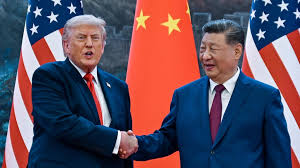
Despite public displays of diplomacy between Trump and Chinese President Xi Jinping, reports suggested tensions simmered behind the scenes throughout the visit.
American media reports claimed there were multiple confrontations between Chinese security personnel and US Secret Service agents over access and security procedures.
One reported dispute allegedly involved a US agent being stopped while carrying a firearm during a diplomatic event in Beijing.
There were also reports of chaotic moments involving journalists and White House staffers during media interactions surrounding the summit.
Trade Hopes Saw Limited Breakthrough
Trump had arrived in Beijing hoping for major progress on trade disputes and rare earth supply concerns.
While some discussions reportedly involved agricultural exports and aircraft deals, the visit did not produce any major breakthrough on larger economic or geopolitical issues between the two countries.
The dramatic disposal of gifts and souvenirs at the end of the trip ultimately became one of the most talked-about moments from the visit — symbolising the deep strategic mistrust that still defines US-China relations despite diplomatic engagement.